Signs Your Athlete Is Ready for Mental Performance Training
Every parent asks the same question at some point, “is now the right time?” Maybe your athlete has had a rough season, or a single moment has been replaying in their head for weeks. Maybe things look fine from the outside, but you can tell something has shifted. Or on the other hand your athlete has suddenly become focused on improving but can’t seem to take steps forward, you don’t need a crisis to reach out. Here are the signs worth paying attention to, and just as important, the things that don’t need to be true first.
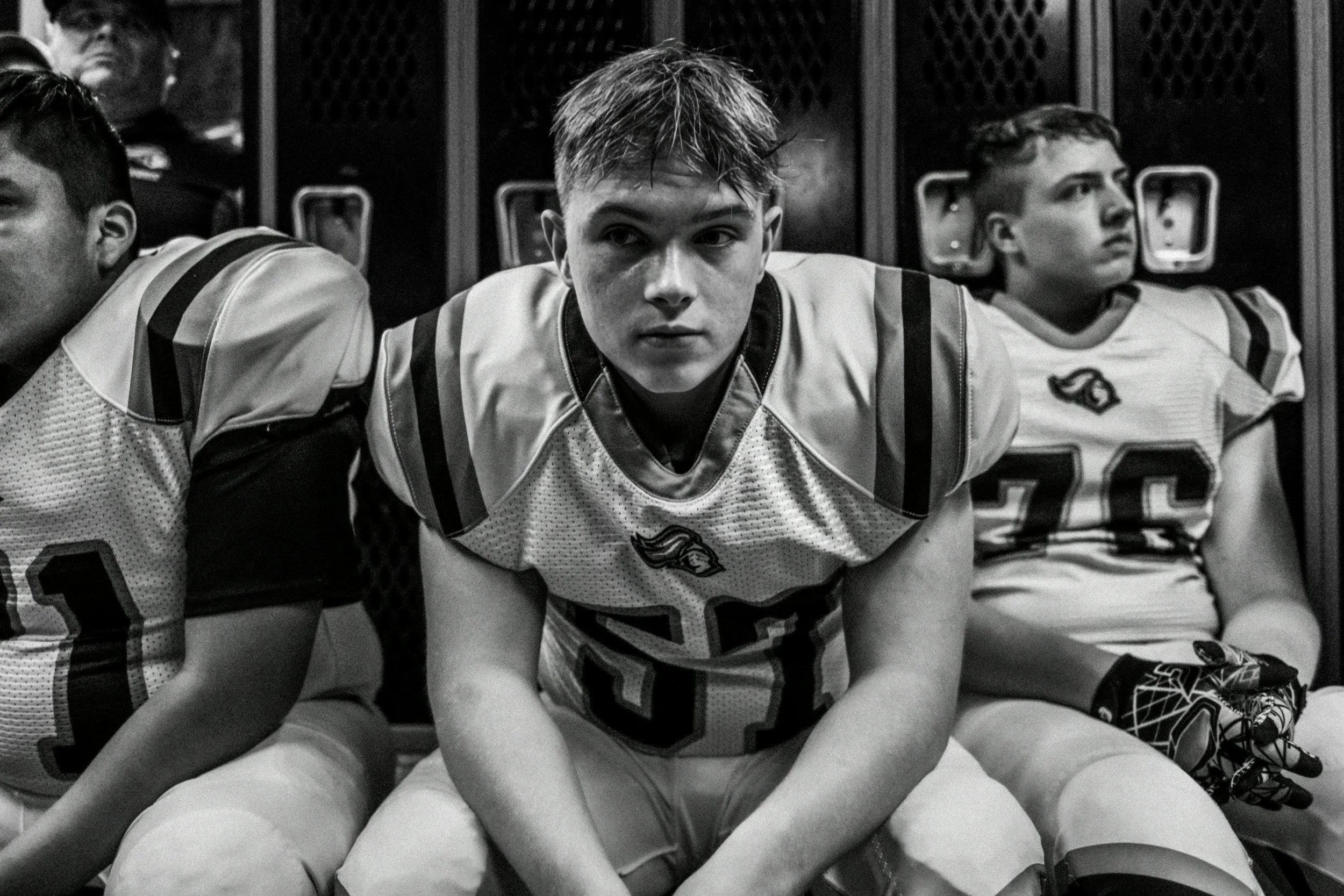
Signs worth paying attention to
Your athlete talks about a mistake long after everyone else has forgotten it. One dropped pass, one missed shot, one bad inning becomes the thing they bring up at dinner, in the car, before bed.
Performance in practice doesn’t match performance in games. They look confident and relaxed at practice, then tight and hesitant the moment it counts.
Their self-talk has gotten harsher. Phrases like I always mess this up, or I’m the worst on the team have started showing up more often, said like fact rather than frustration.
They’re talking about quitting a sport they used to love. Not because their body is tired, but because their mind is or they don’t have the same passion as they used to.
Nerves show up earlier and stronger than before. What used to be a few butterflies before a game has turned into stomachaches, sleep trouble, or dread starting days in advance.
You’ve noticed a confidence gap between what they’re capable of and what they’re showing. You’ve seen the talent. You know what they can do. Something else is getting in the way.
What doesn’t need to be true first
You don’t need to wait for things to get worse. Mental performance training isn’t only for athletes in crisis. Most of the young athletes we work with are doing fine on paper. They just want to feel steadier and more like themselves when it matters. Or they are looking to simply enhance their performance and use all their skills at their disposal.
Your athlete doesn’t need to want it more than you do. It’s normal for a parent to notice something before an athlete is ready to name it themselves. That’s not a reason to wait. It’s usually the reason to start.
Nothing needs to be diagnosed or labeled. This isn’t therapy for a disorder. It’s skill-building for the mental side of sport, the same way strength training builds the physical side.
Your athlete doesn’t need to be the most talented kid on the team. Confidence and composure are trainable skills, not fixed traits reserved for a few standout players.
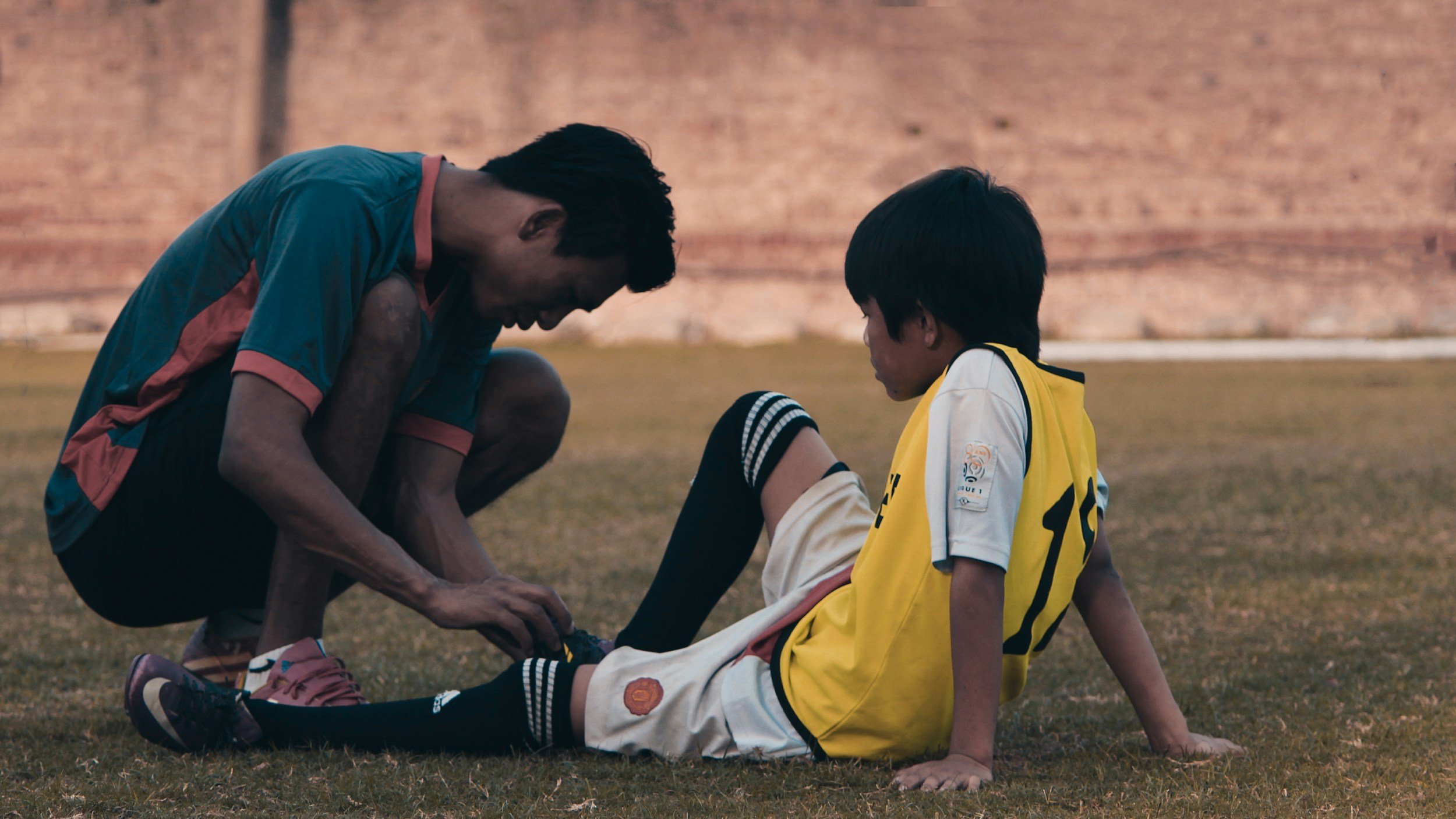
Parent FAQ Guide
If you’re still weighing whether this is the right fit, this short guide answers the questions we hear most from parents before that first conversation.
Is this the same as therapy?
No. Mental performance coaching focuses specifically on the skills athletes use in competition, like focus, composure, and recovering from mistakes. It’s performance-based, not clinical.
Will my athlete think something is wrong with them?
Most athletes find it’s a relief to have a dedicated space to talk about the mental side of their sport, the same way they’d talk to a coach about footwork or conditioning.
What if my athlete doesn’t want to go?
We usually start with a conversation, not a commitment. Most athletes warm up quickly once they realize it’s their space, not a lecture.
How long does it typically take to see a difference?
Every athlete is different, but many parents notice a shift in how their athlete talks about setbacks within the first few sessions.
Do you work with a specific sport or age group?
We work with youth athletes across sports. The tools are the same whether the sport is soccer, baseball, gymnastics, or swimming.
What does a first session actually look like?
It’s a conversation, not a test. We get to know your athlete, hear what’s been going on, and start identifying which tools will help most.
If any of this sounds familiar, you don’t have to figure it out alone. Reach out and we can talk through whether this is the right next step for your athlete.